shaped by the wind.
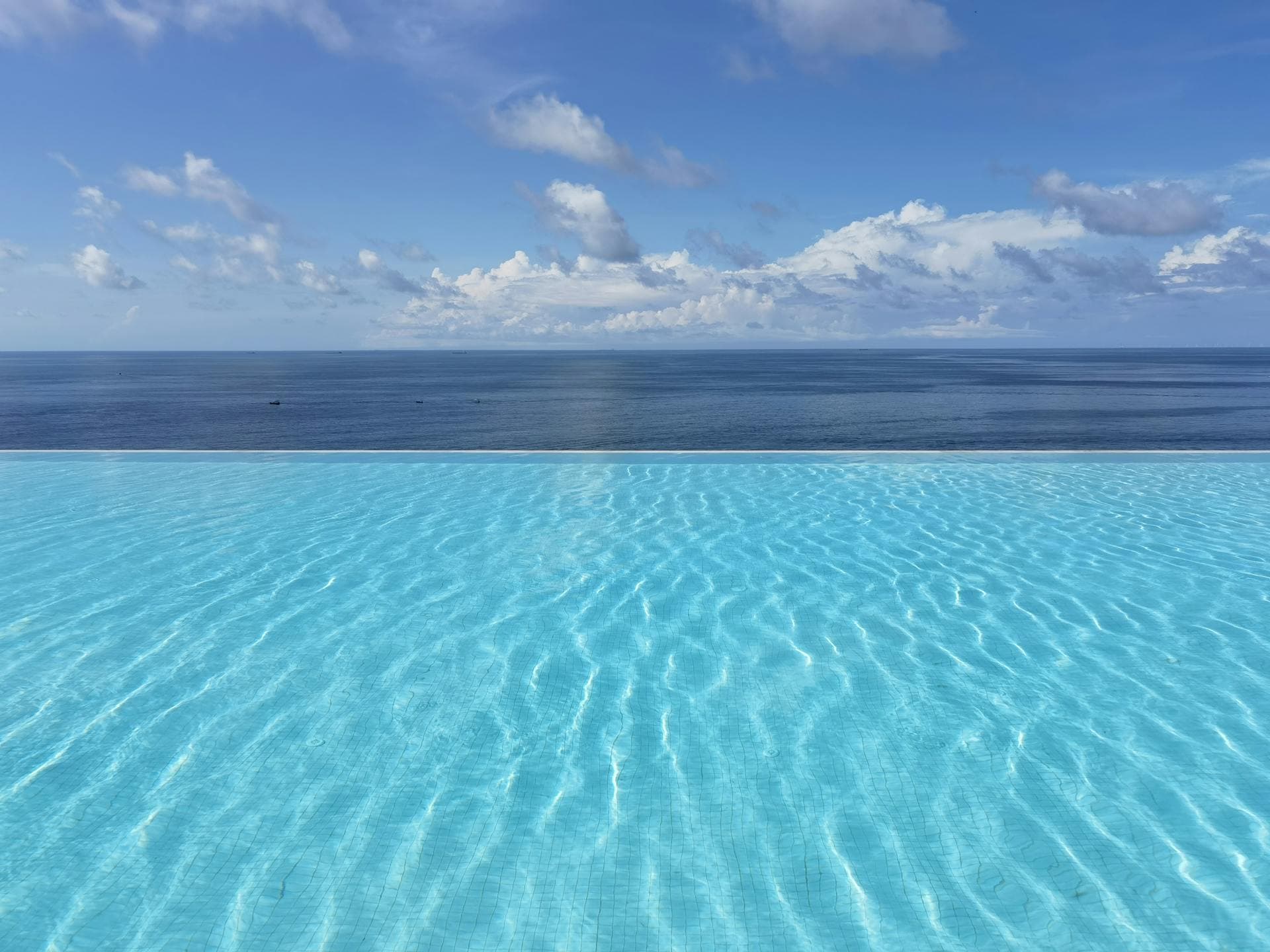
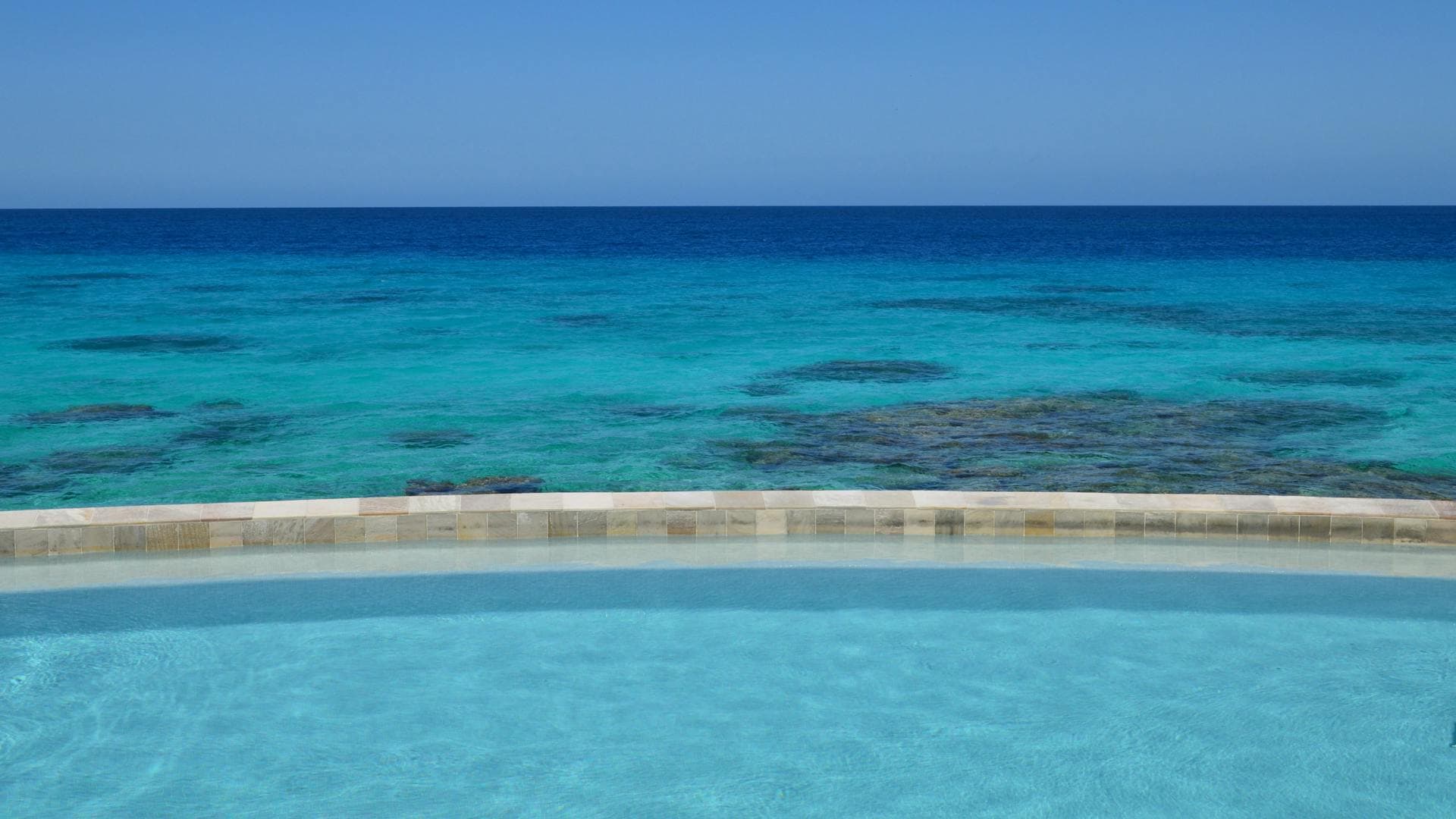
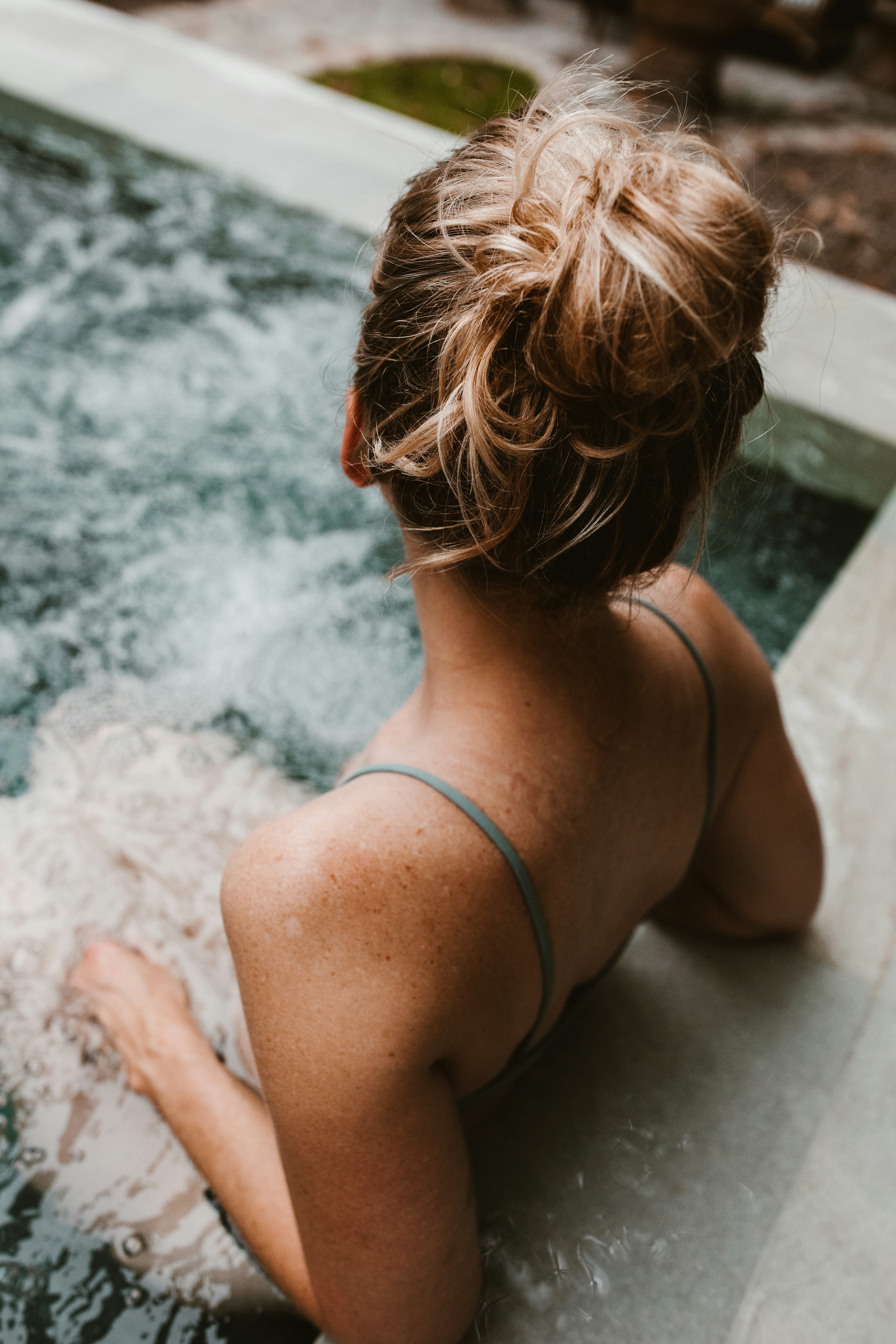
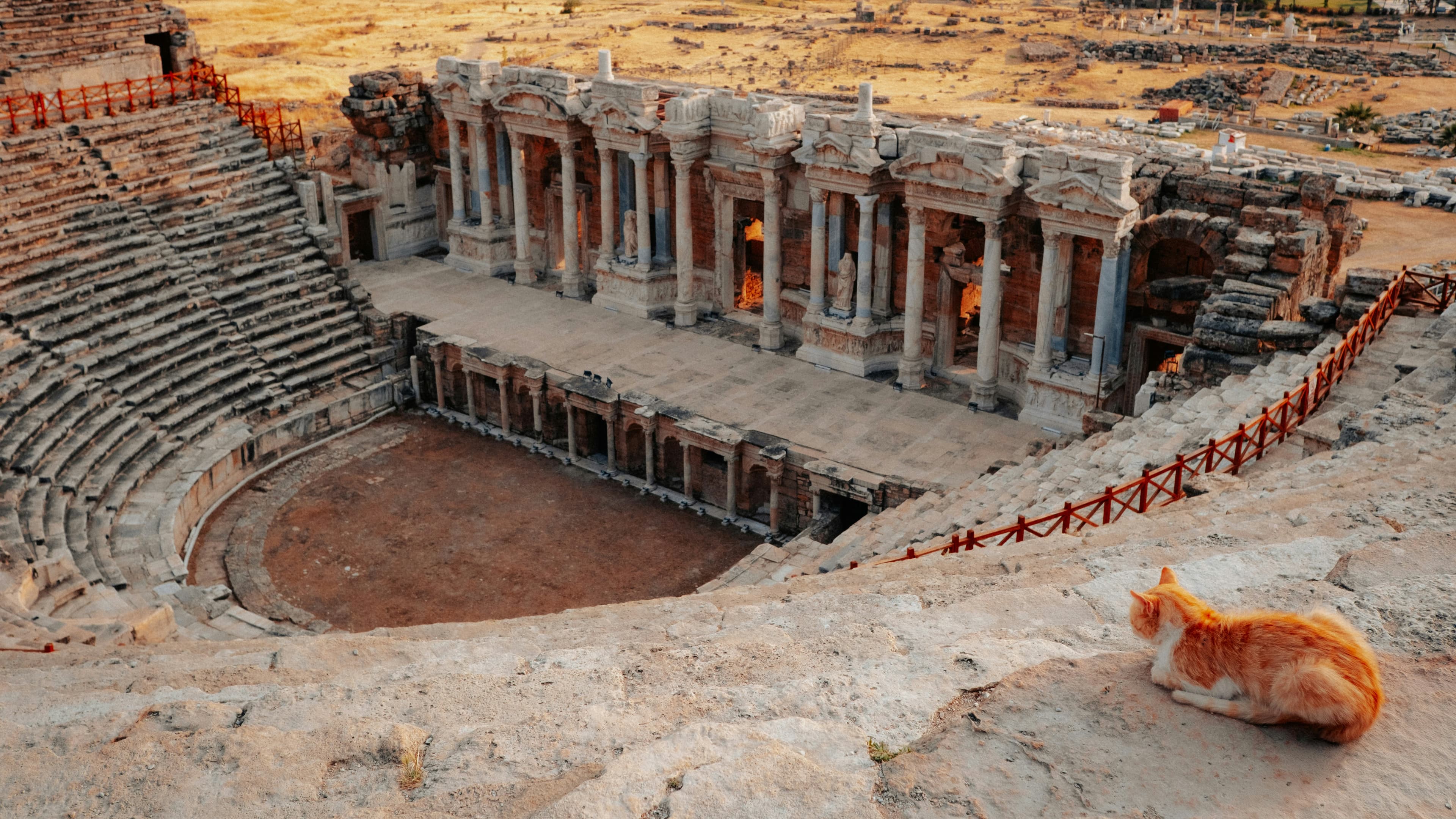
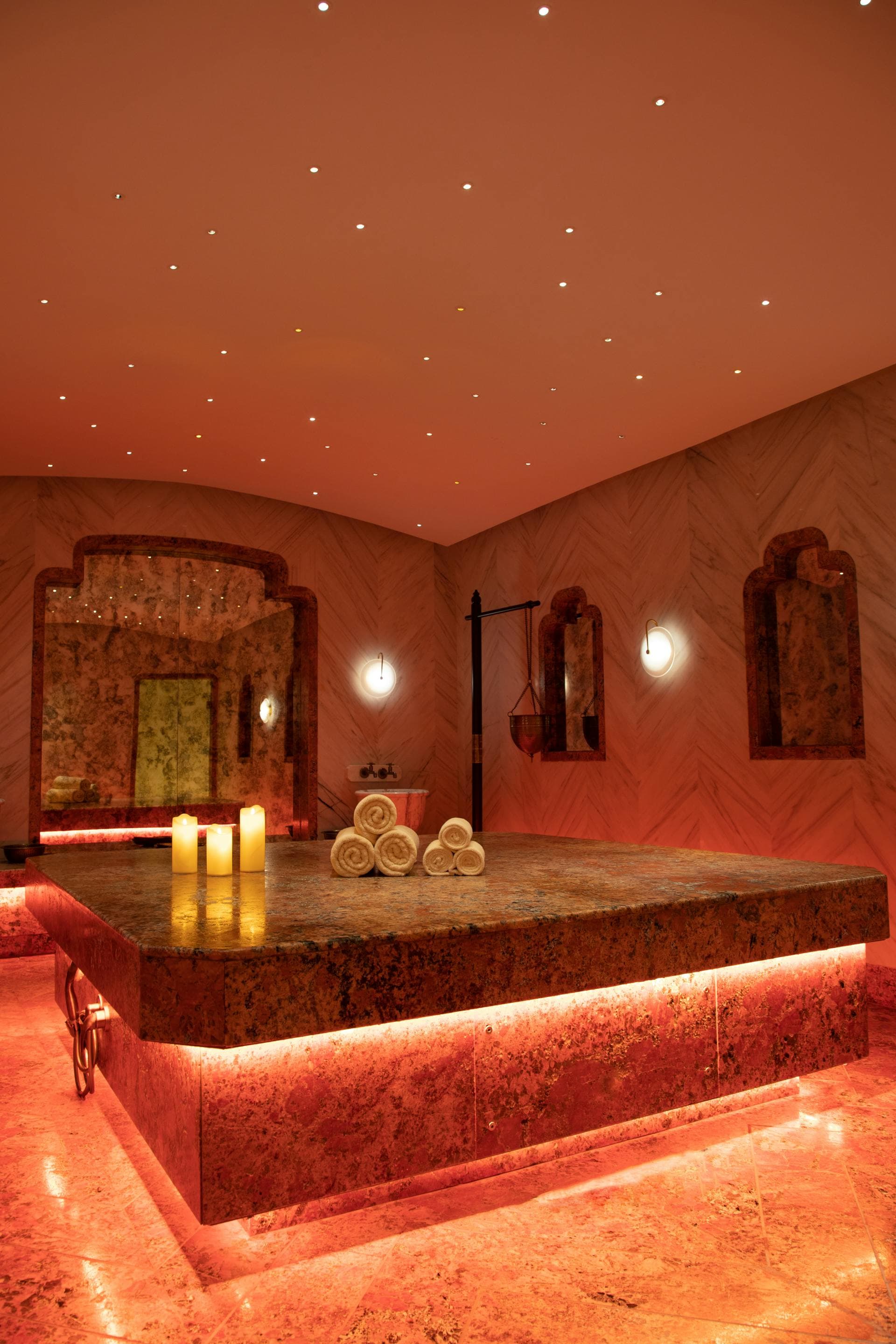
İzmir's broader case for wellness narrows, on the Çeşme peninsula, into something more specific: thermal. The Şifne springs north of the town, in continuous use since the Ionian period, carry a high-mineral profile — sulphate, bromide, magnesium — that Anatolian medicine has prescribed for rheumatism, circulation, and skin conditions for two thousand years. Modern thalassotherapy pools on the Reisdere coast draw directly from the Aegean, chosen for their salinity and mineral stability.
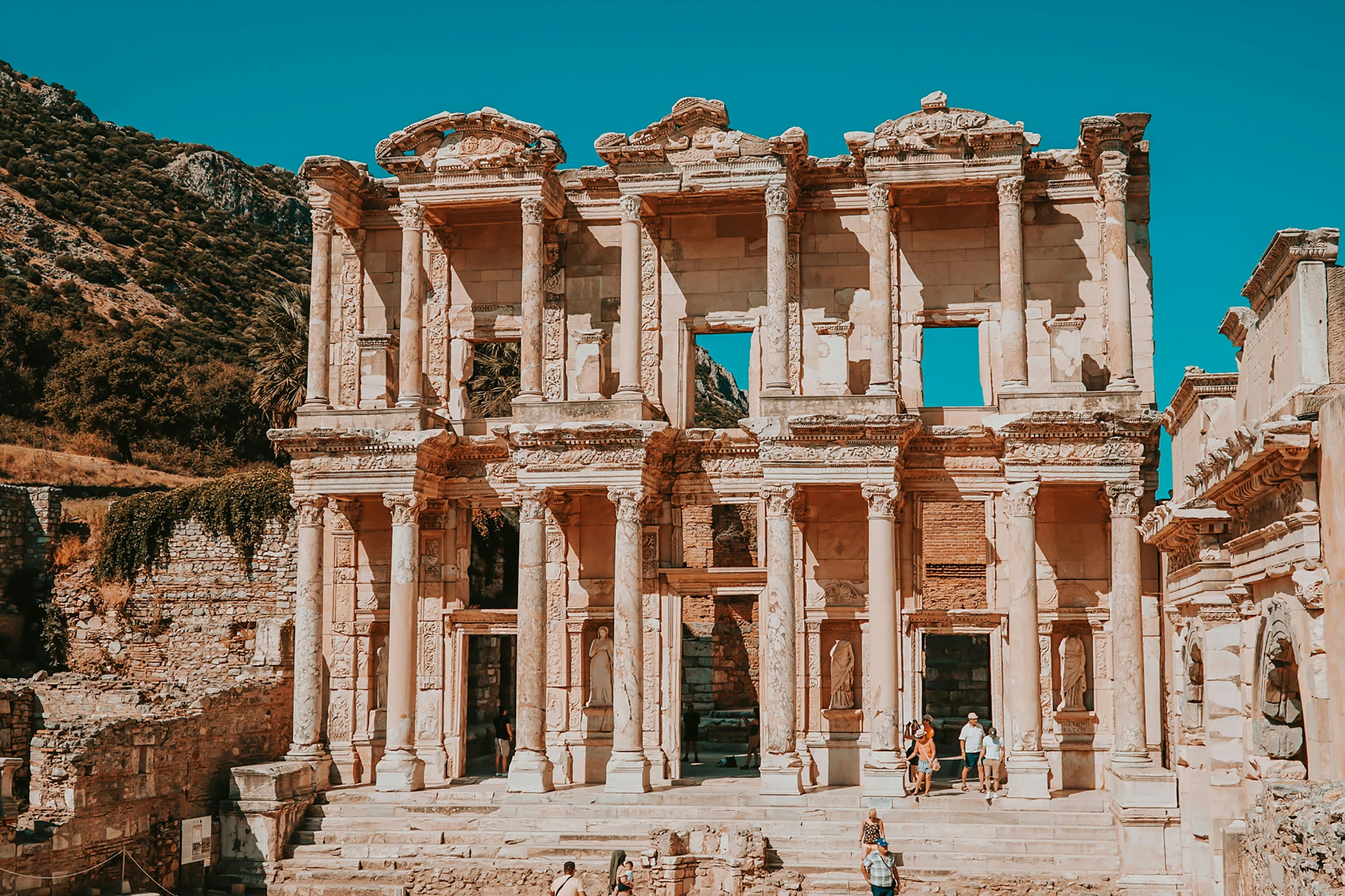
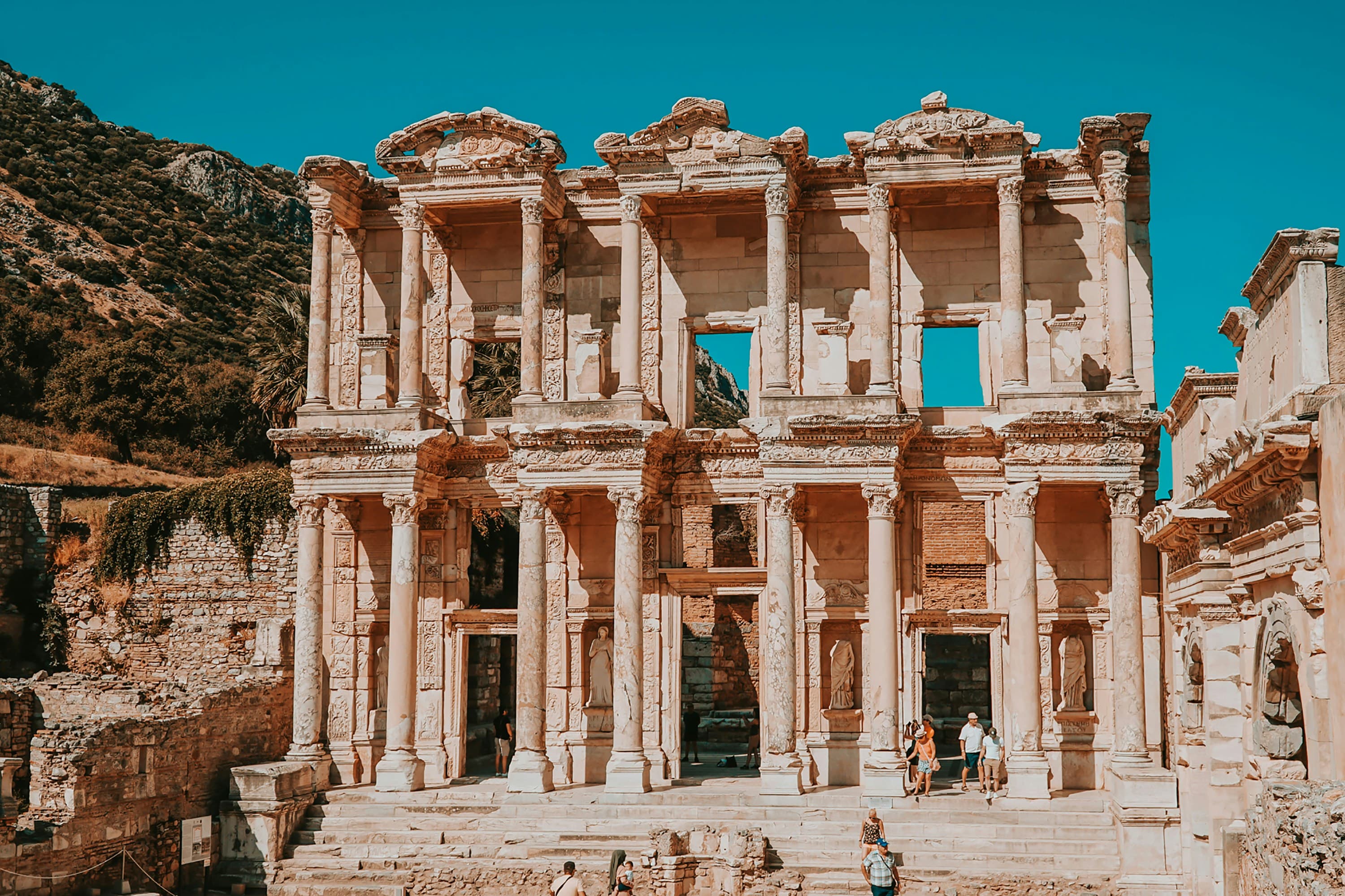
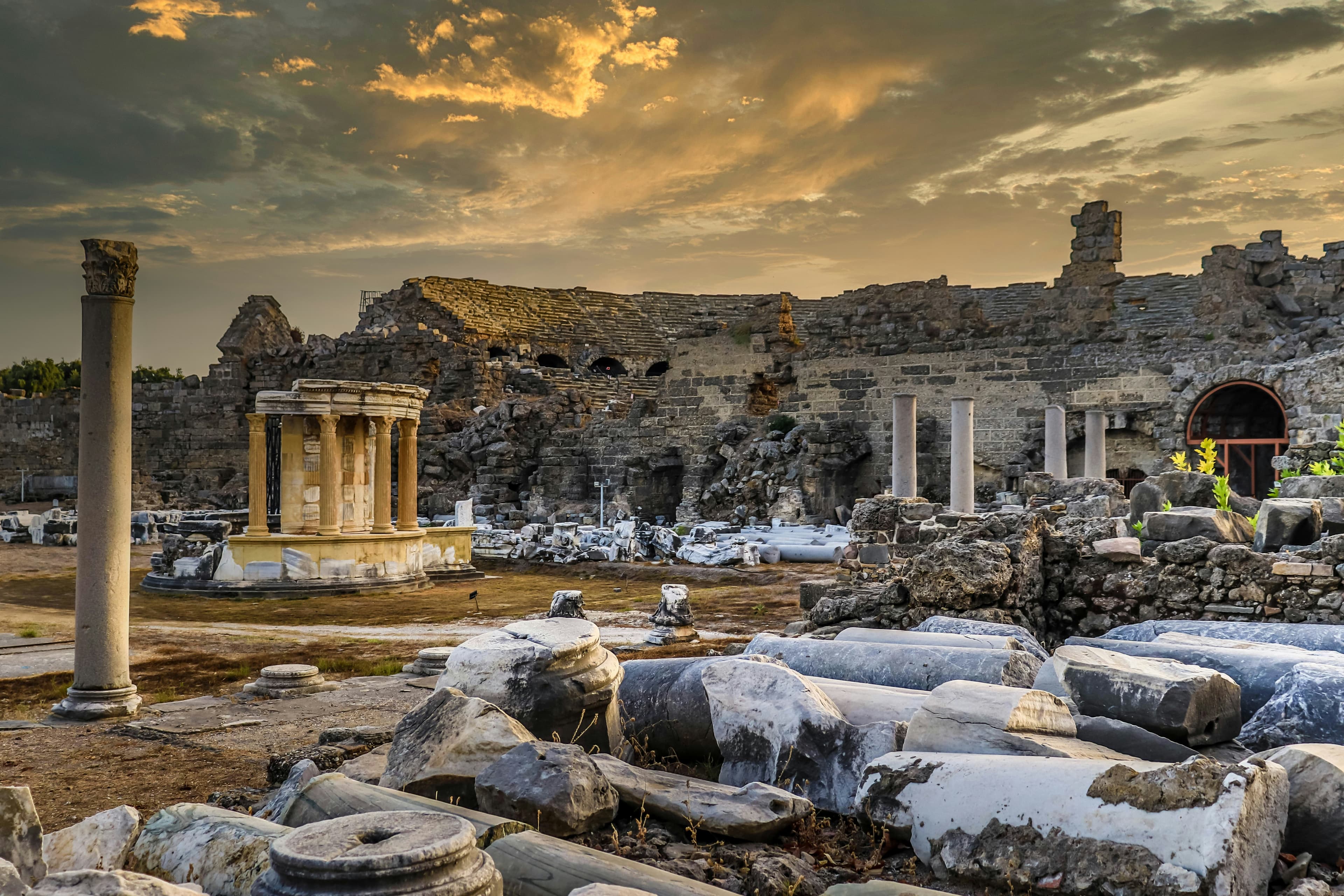
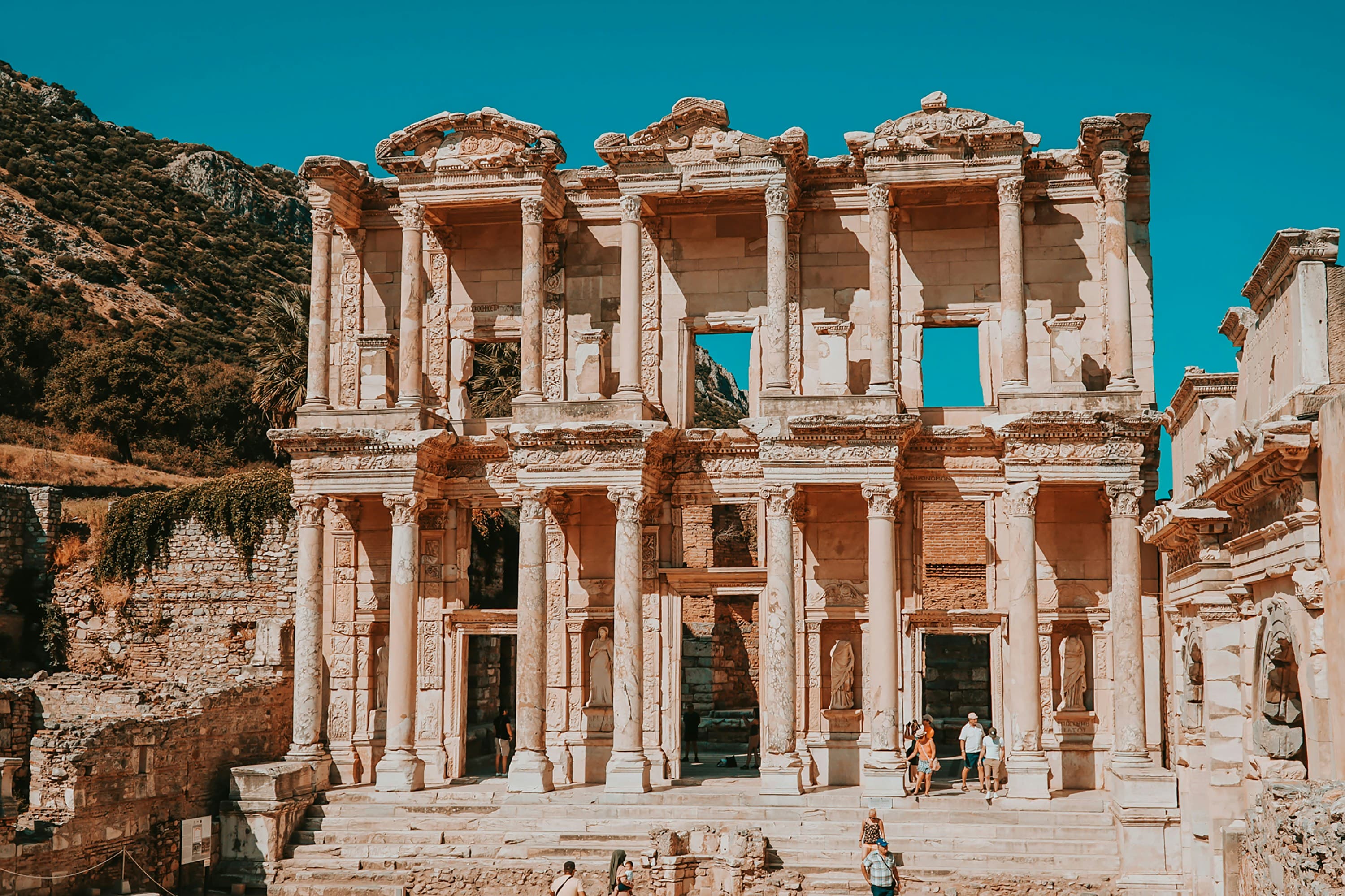
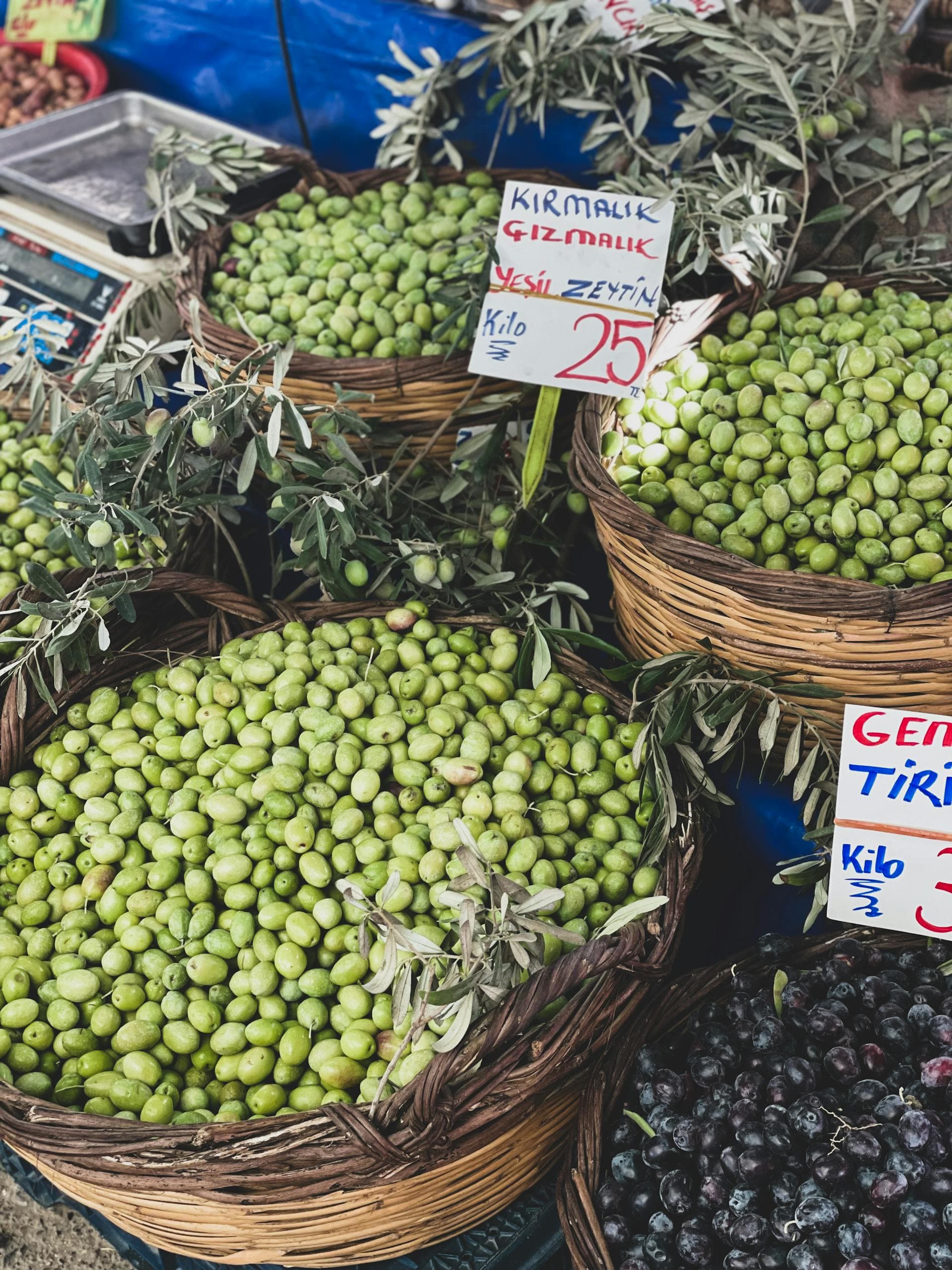
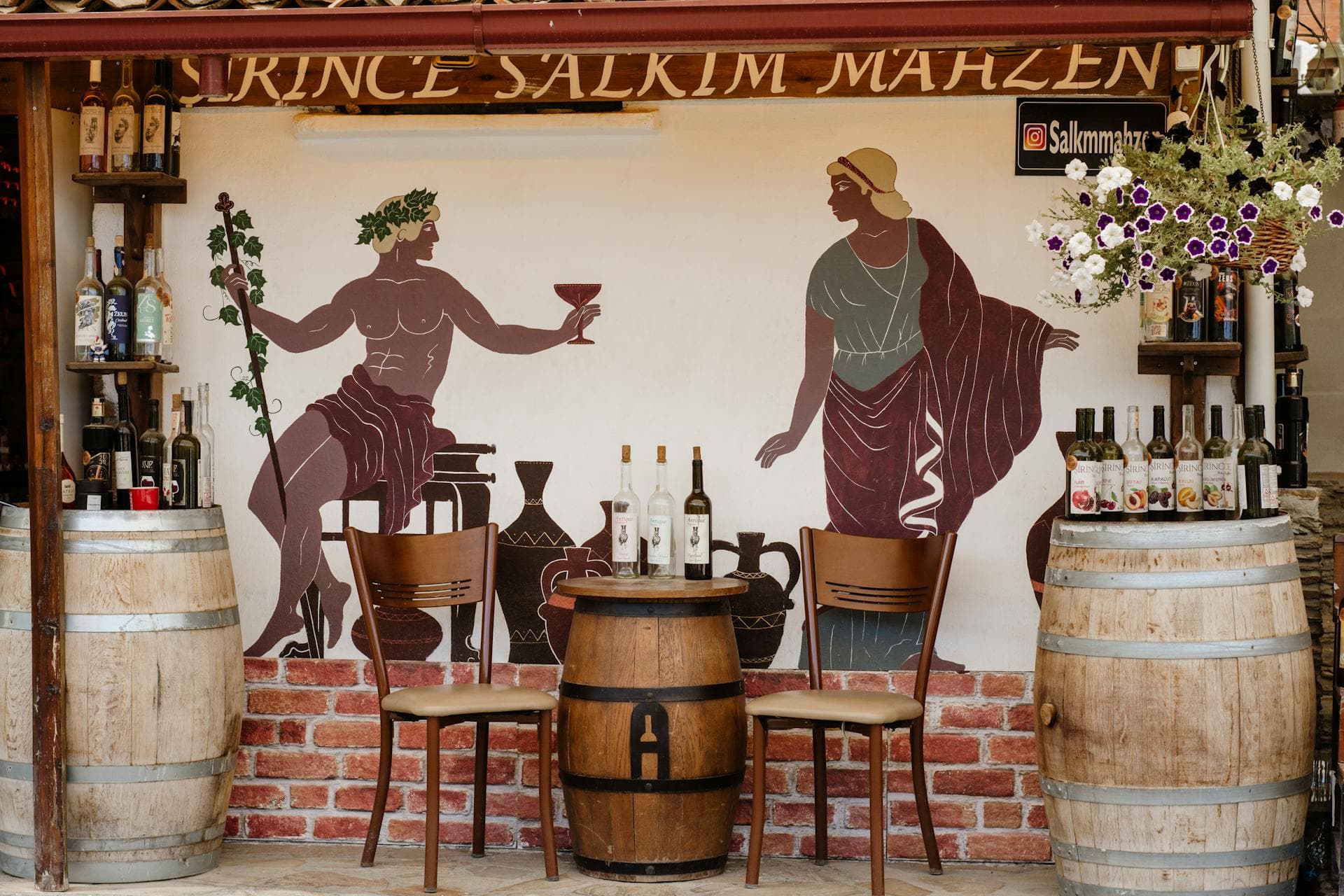
Add to this: a peninsula of vineyards (Urla, Ildırı), a Saturday farmers' market built around Aegean produce, Ionian ruins within an afternoon's walk, Karaburun trekking trails, and 320 days of sun. This is where we send guests when a program needs to also feel like a life.
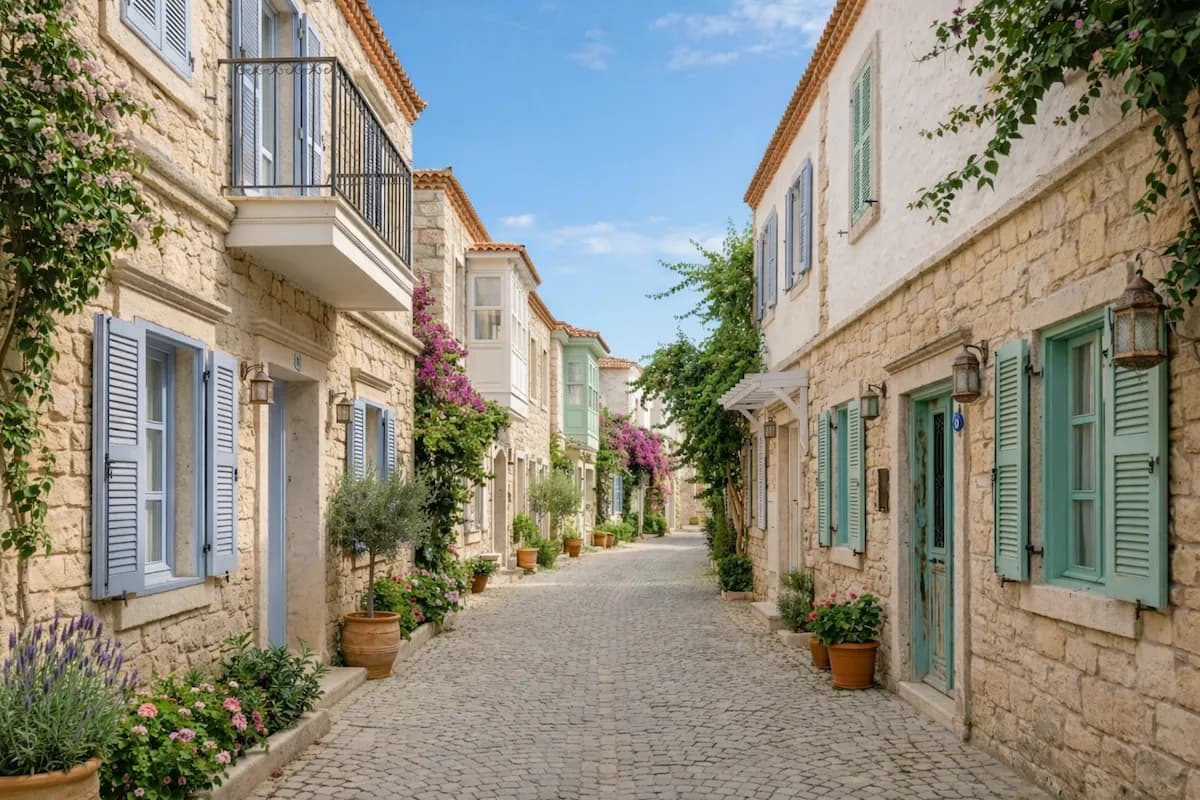
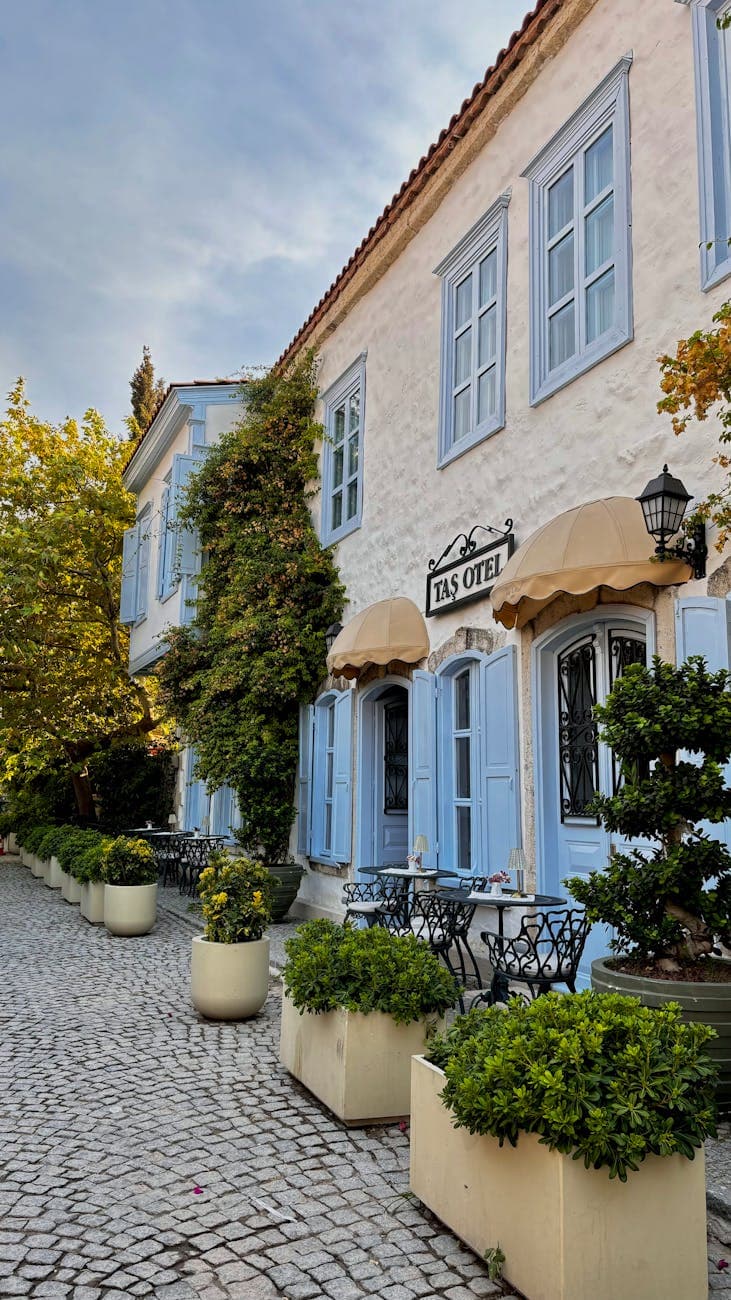
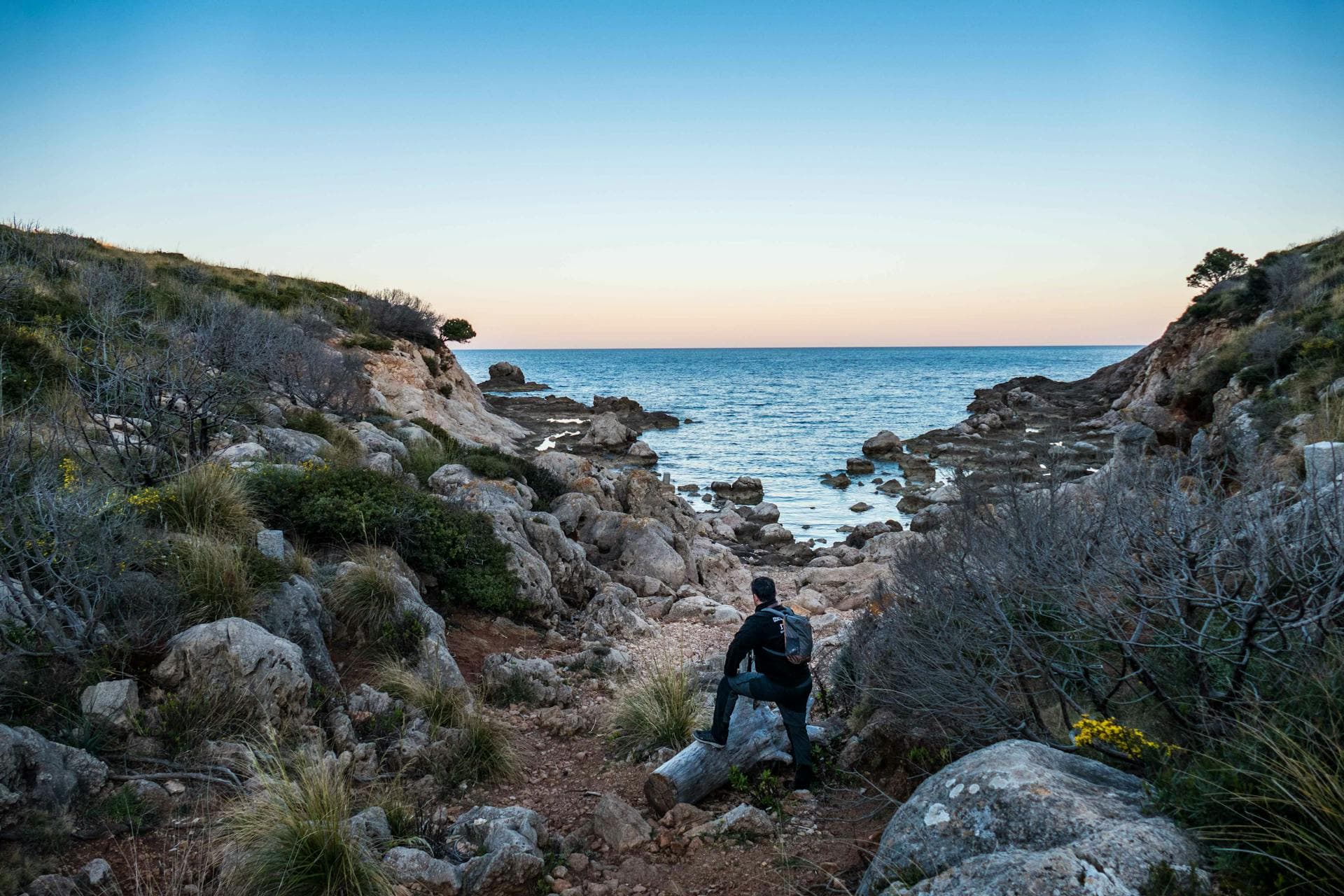
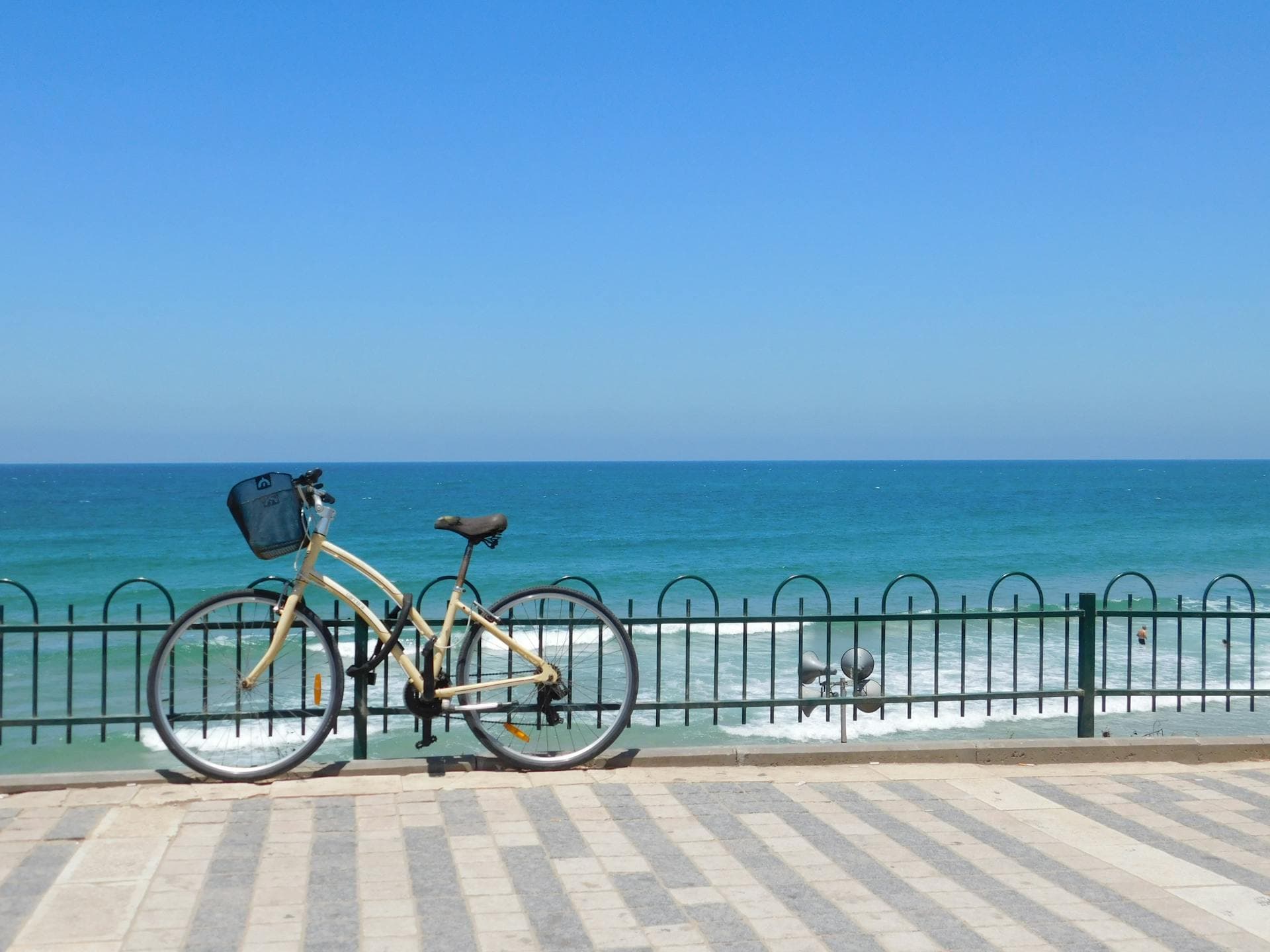
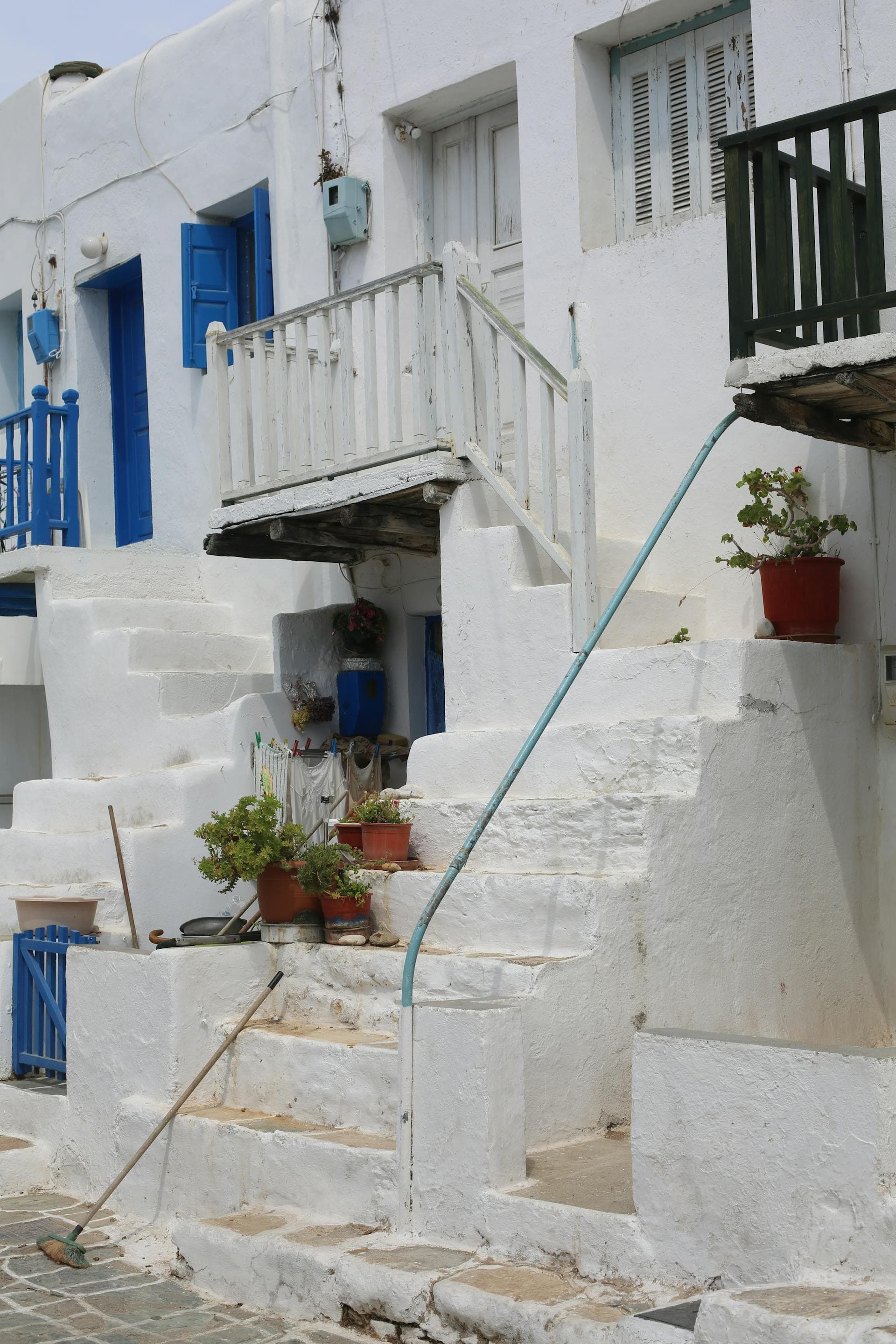
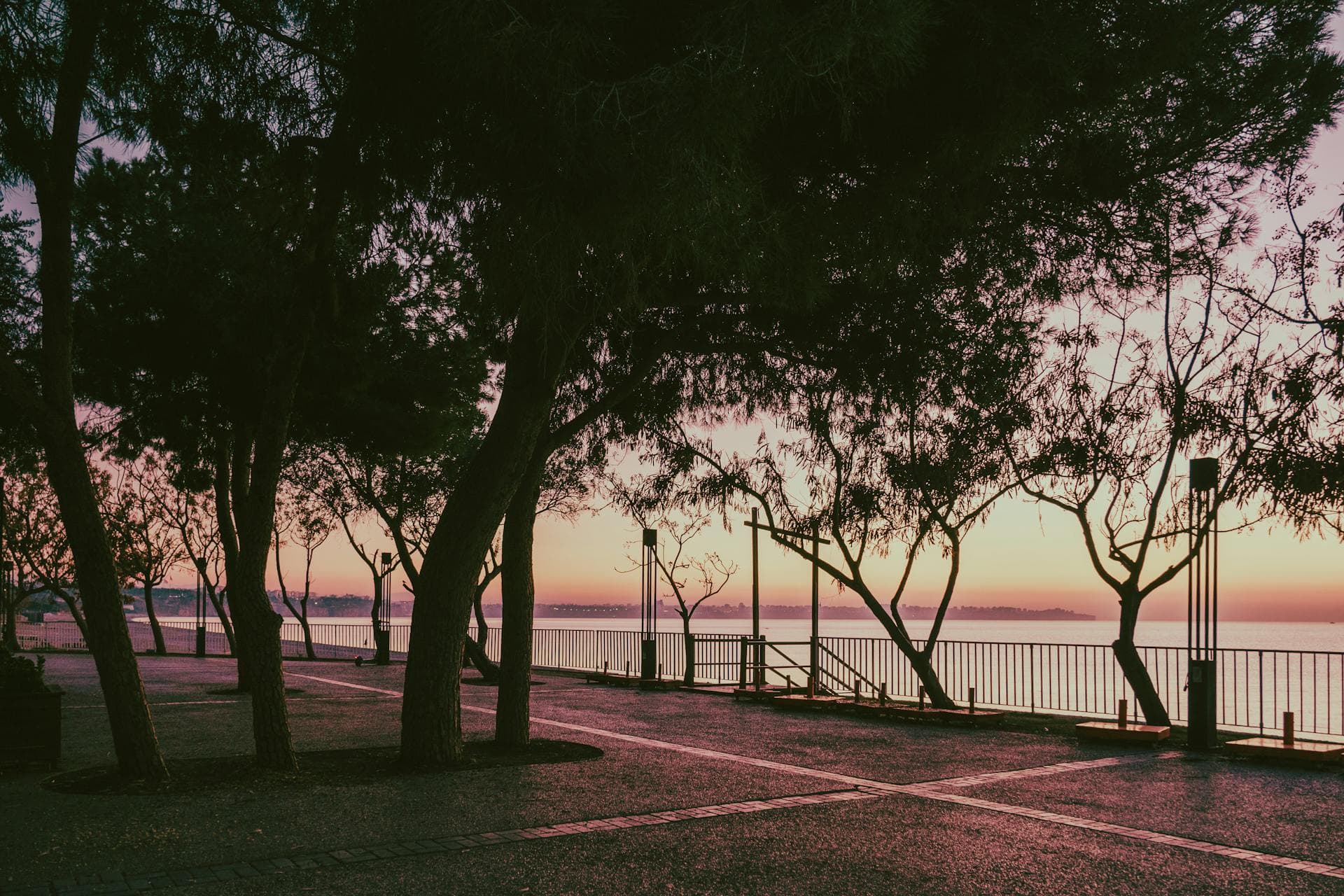
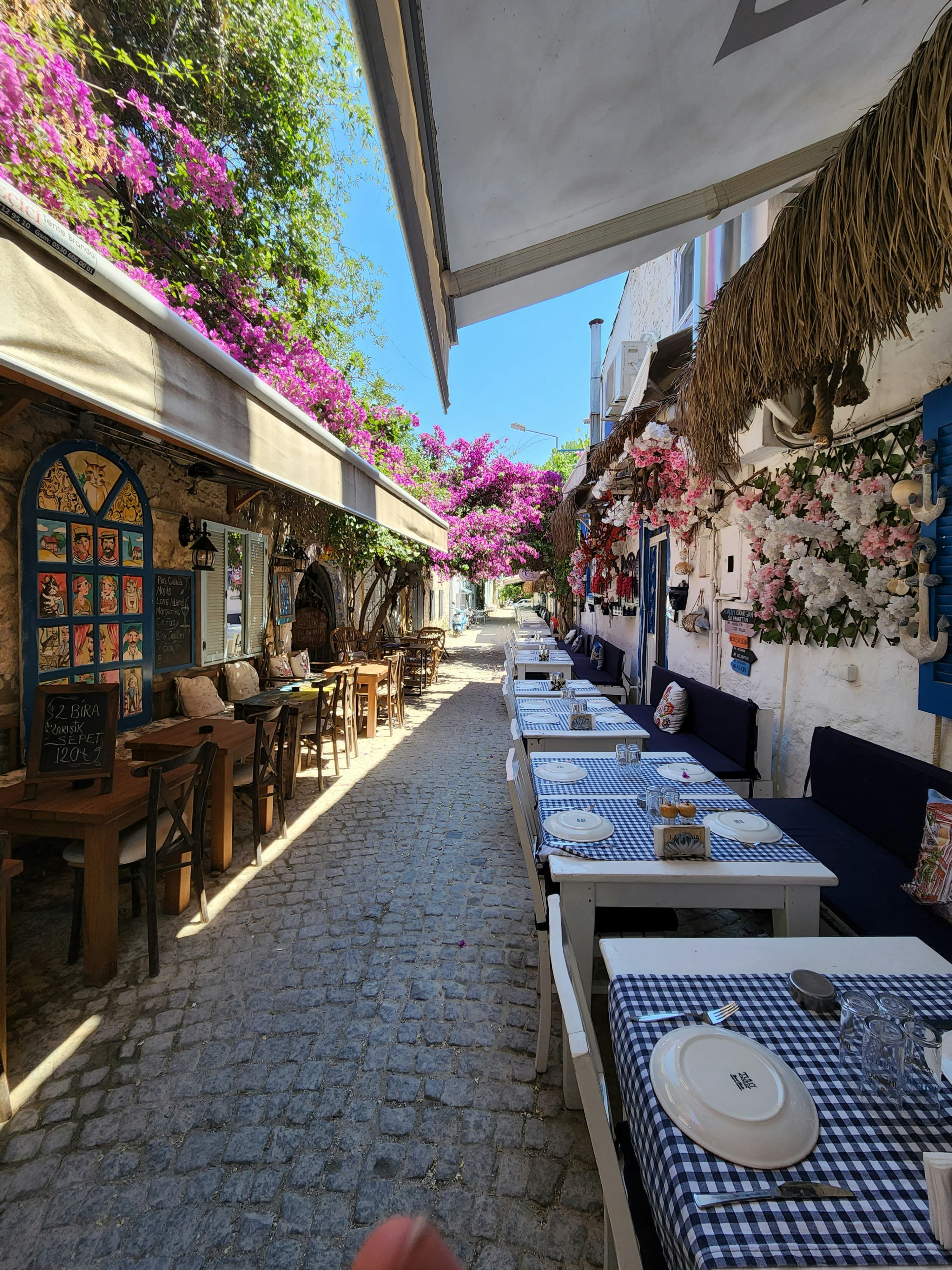
Çeşme is an hour and fifteen minutes from İzmir's airport, and it is somehow another country. The wind arrives from the north in the morning and from the west after lunch; the town leans into it. Stone houses, bleached shutters, bougainvillea that has been trained for forty years, not planted for a season.
It is not Bodrum. It is not Mykonos. It has fewer clubs and fewer billboards than either, and the locals who have kept it that way have done so on purpose — with cafés that close at 9pm, vineyards signposted in pencil, and a thermal tradition that predates most of Europe by several centuries.
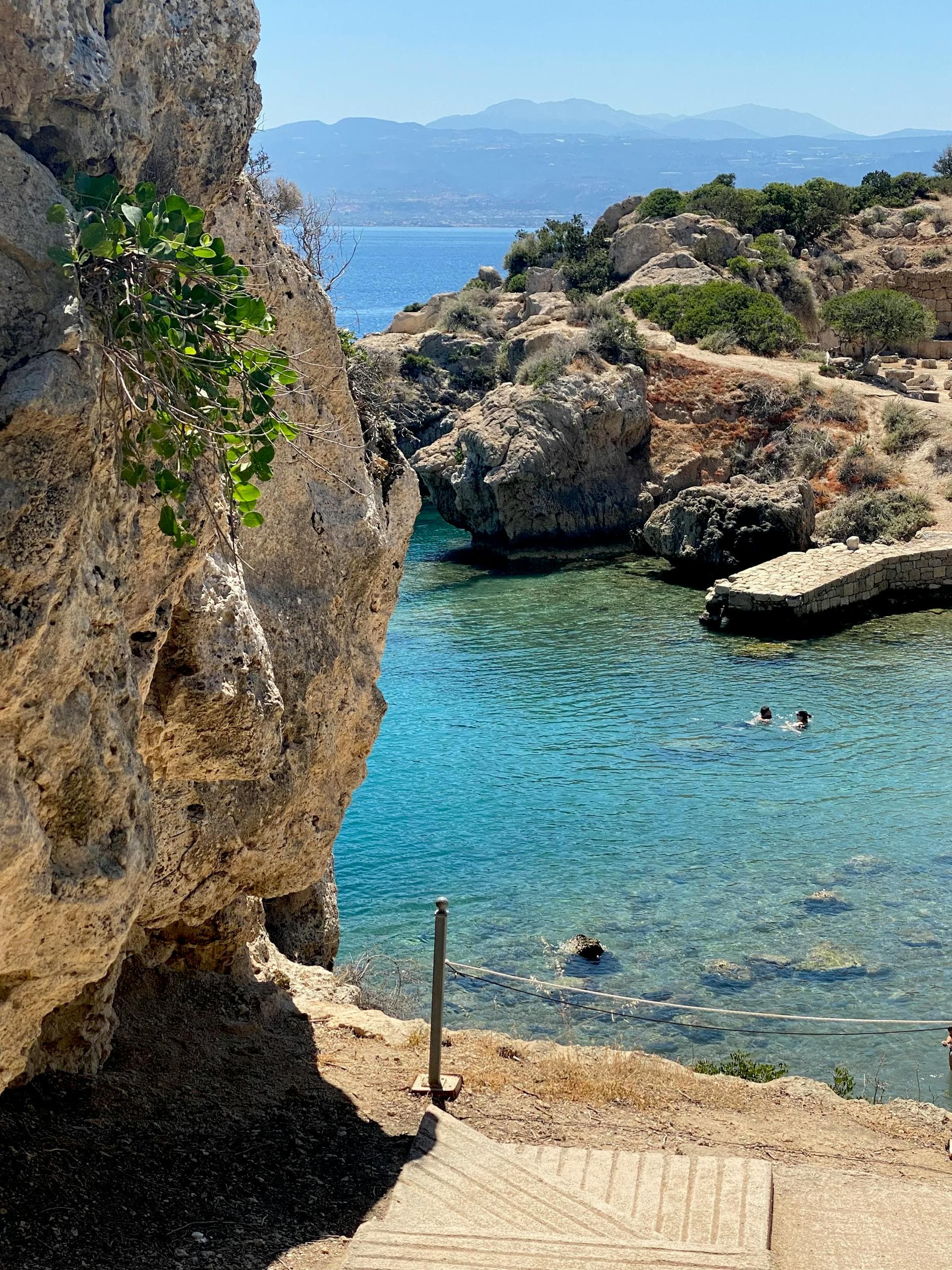
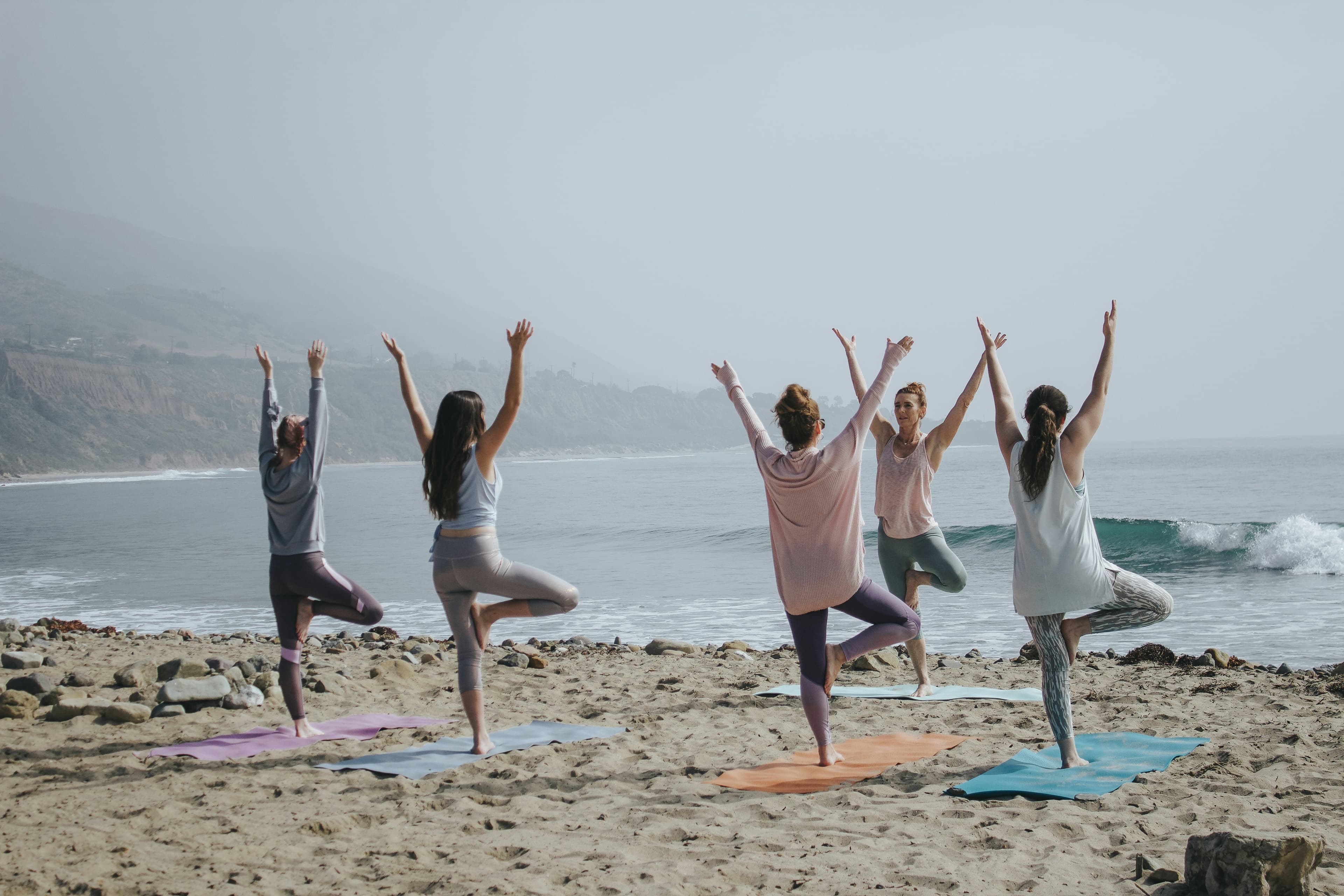
We send guests here for the recovery weeks of longer programs — the first six nights of Active Aegean, the middle of Longevity Reset, the optional extensions after hair restoration or cardiology weeks in Istanbul. The sea is warm from late May until October. The air is dry. The nights are quiet. Sleep improves within three days for almost everyone.
This guide is for guests already considering a program — and for those who have time in their week to simply understand where they are being sent.